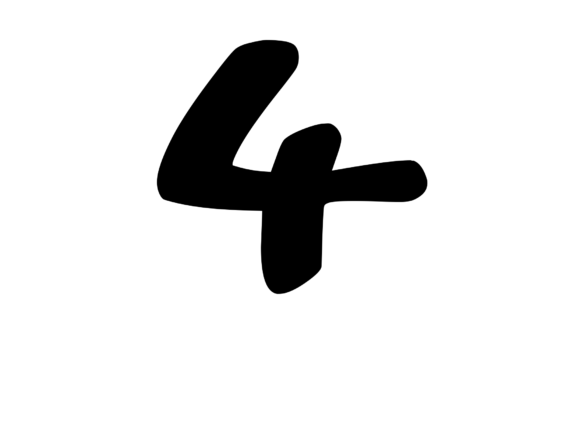
Rough Tough Fat Felt Tip Mono 4 Review
First Impressions: A Bold Statement in Embroidery Design
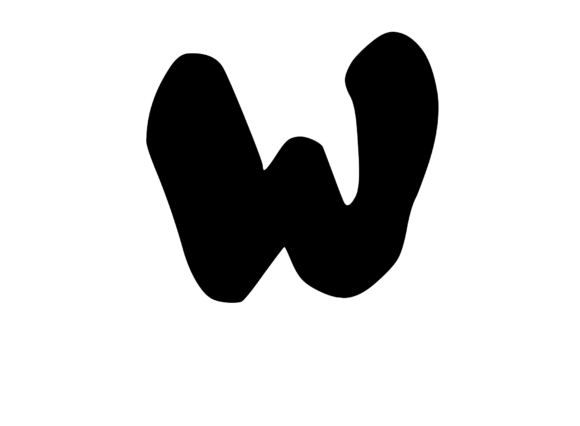
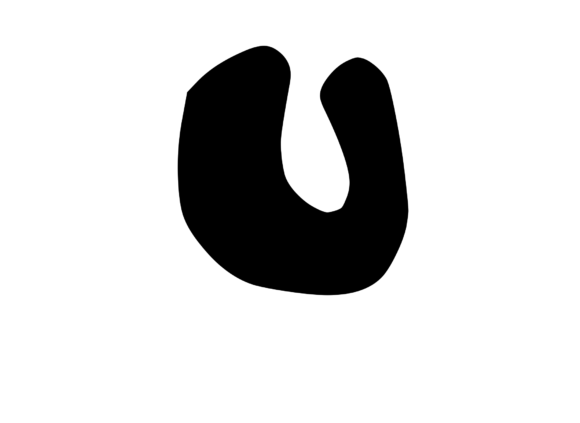
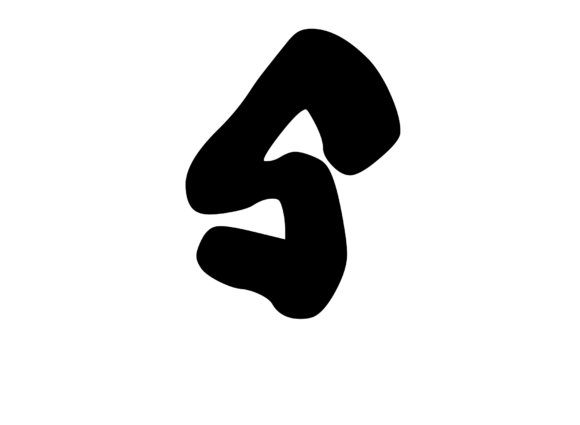
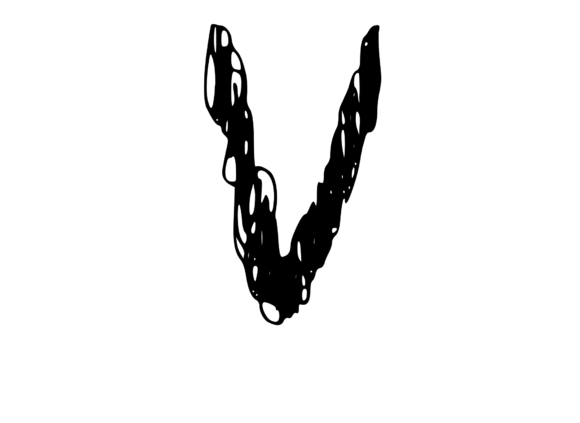
When I first opened the Rough Tough Fat Felt Tip Mono 4, I was immediately drawn to its raw, textured look. It feels like a piece of art that’s been carved from the earth—rough around the edges but undeniably powerful. The design has a strong visual presence, with thick, chunky lines and a sense of movement that makes it feel almost three-dimensional. This kind of texture is perfect for creating a handmade product that stands out, whether it's a custom tote bag or a personalized patch.
The mood it creates is rugged and adventurous. It’s not something you’d use for a delicate baby item, but it would be an excellent choice for a bold statement on a sweatshirt or a cap. Its layout is simple yet effective, with enough detail to keep things interesting without overwhelming the fabric. It has a certain visual personality that screams “handmade” and “authentic,” which can be a huge selling point for crafters looking to create unique products.
Real-Life Scenario: Custom Embroidered Tote Bag
Imagine preparing a custom embroidered tote bag for a boutique product line. The Rough Tough Fat Felt Tip Mono 4 would make a striking centerpiece on a canvas tote. The texture of the design would stand out against the smooth fabric, creating a nice contrast. I could see this design working well with darker thread colors, especially if paired with a light-colored fabric. It would add character and depth, making the finished product feel more premium and intentional.
But I also think about how customers might react. Would they find the design too heavy or aggressive? In some cases, yes. That’s why it’s important to consider where this design fits best. It’s not for every project, but when used correctly, it can elevate a product from ordinary to extraordinary.
Performance in Real Embroidery Situations
The Rough Tough Fat Felt Tip Mono 4 shines in projects that benefit from a strong, tactile feel. It works exceptionally well for custom apparel, particularly on items like sweatshirts, t-shirts, and caps. The design holds up nicely on tote bags and aprons, where the texture can be appreciated. For embroidered patches, it adds a unique dimension that can make them feel more substantial.
However, there are situations where caution is needed. On small hoop sizes, the design may lose some of its impact. Textured fabrics or thin materials might not support the bulk of the stitches as well, so using proper stabilizer becomes essential. Also, if the fabric is stretchy or dark, the design might not show up as clearly, requiring adjustments in thread color or stitch density.
This design is also worth considering for holiday gifts or nursery decor, but only if the theme matches the rough, rugged aesthetic. It’s not ideal for tiny lettering or detailed corners, and it doesn’t perform well on curved surfaces like caps unless carefully tested.
Visual Appeal and Professional Impact
What really sets this design apart is its ability to enhance the visual appeal of any handmade product. When stitched properly, it adds a level of craftsmanship that customers notice. It can boost the product value and increase customer trust, especially if the final item is sold through platforms like Etsy or at craft fairs.
For craft business owners or small shop product creators, using this design can help maintain brand consistency if the overall aesthetic aligns with their offerings. It also helps with giftability, as people often seek out unique, eye-catching items for special occasions.
From a commercial embroidery standpoint, this design is versatile enough to work across multiple design assets, including printable mockups or digital embroidery files that can be used for both personal and professional projects.
Practical Embroidery Designer Notes
If you're planning to use the Rough Tough Fat Felt Tip Mono 4, here are a few practical tips to keep in mind:
- Test the design on scrap fabric first to see how it looks and feels before committing to a larger project.
- Check thread color contrast to ensure the design pops against your chosen fabric.
- Review stitch density to avoid overcrowding the fabric, especially on thinner or stretchy materials.
- Confirm hoop size to make sure the design fits comfortably without distortion.
- Inspect small details to ensure they translate well when stitched.
- Test it in black and white mockups to evaluate how it will look on different backgrounds.
- Use proper stabilizer to prevent shifting or puckering, especially on textured or stretchy fabrics.
- Check whether the design works for both personal and commercial projects before selling finished items or digital products.
- Confirm licensing before selling anything derived from this design to avoid legal issues.
In conclusion, the Rough Tough Fat Felt Tip Mono 4 is a powerful addition to any designer’s toolkit. It brings a unique, textured quality to embroidery projects that can elevate the final finished product. Just remember to use it wisely and test it thoroughly before applying it to your next big project. With the right approach, this design can become a standout feature in your craft business or Etsy listings.