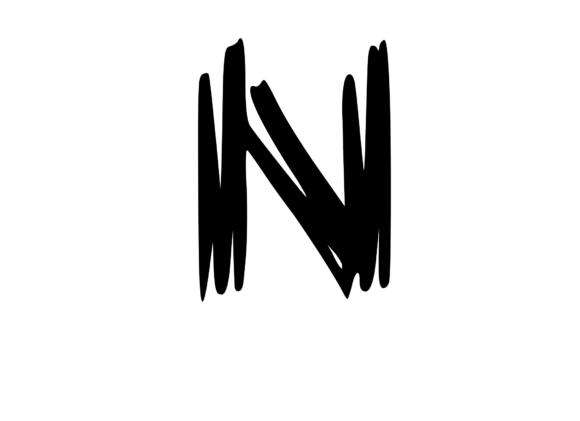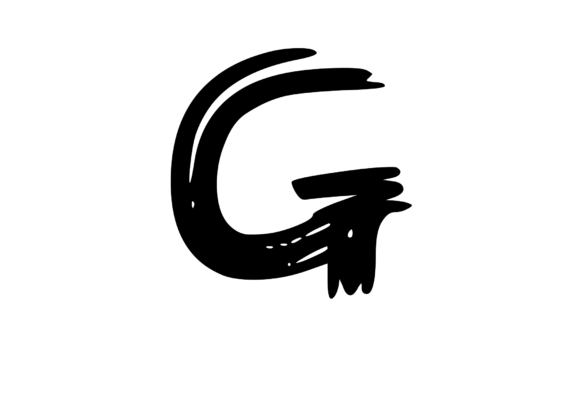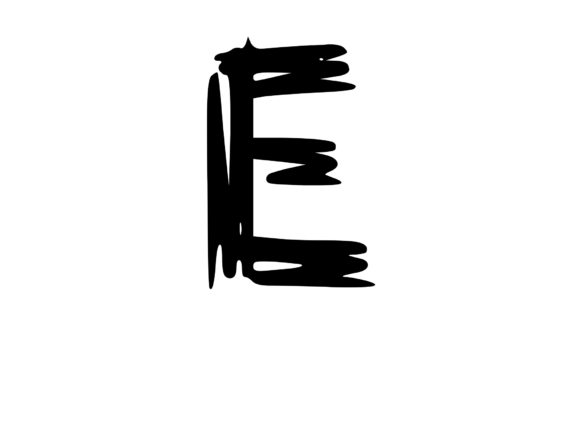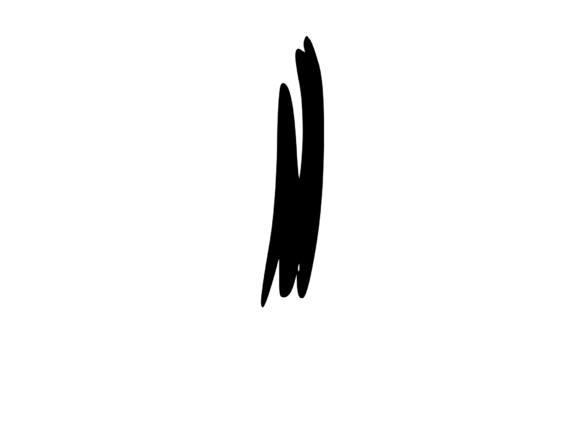
Old Brush Stroked Mono Letter I Review
A First Look at Old Brush Stroked Mono Letter I
When I first opened the Old Brush Stroked Mono Letter I, I was immediately drawn to its handcrafted feel. The design exudes a vintage, artistic charm that feels both timeless and unique. It’s not just a letter—it's a statement. The brush-stroked lines give it a sense of movement and texture, making it stand out from more rigid or modern fonts. This kind of visual personality is perfect for anyone looking to add character to their embroidery projects.Real-Life Scenario: Embroidering a Custom Tote Bag
Let’s imagine using Old Brush Stroked Mono Letter I on a custom embroidered tote bag. As a designer, I would consider how the letter interacts with the fabric and the overall look of the finished product. The brush-stroke detail adds depth, but I’d also think about how it stitches—will the texture be visible? Will it hold up after multiple washes?Where Old Brush Stroked Mono Letter I Shines
- Custom Apparel: Think sweatshirts, t-shirts, or even baby onesies. The letter could be used as a monogram or name tag.
- Tote Bags: A great fit for personalized gifts or small shop merchandise. Its bold style makes it easy to spot.
- Patches: Ideal for creating embroidered patches that add flair to jackets, backpacks, or denim.
- Boutique Branding: Use it on aprons, pillow covers, or kitchen towels to create a cohesive brand identity.
- Holiday Gifts: Perfect for personalized items like mugs, calendars, or framed art.
Design Considerations and Practical Tips
While Old Brush Stroked Mono Letter I is visually appealing, there are a few things to keep in mind when using it in real projects:Test on Scrap Fabric: Before committing to a final piece, always test the design on scrap fabric. This helps identify any potential issues with stitch density or thread visibility.
Thread Color Contrast: The effectiveness of this design relies heavily on the contrast between the thread color and the fabric. Darker threads work well on light fabrics, while lighter threads may be better suited for darker backgrounds.
Stabilizer Use: Using the right stabilizer is crucial, especially when working with thin or stretchy fabrics. It ensures the design remains crisp and doesn’t pucker after washing.
Hoop Size: Be mindful of the hoop size needed. If the design is too large, it may require multiple hoops or adjustments to maintain quality.
Licensing: Always confirm the licensing terms before selling finished products or digital assets. This is important for commercial embroidery or digital product sellers.